
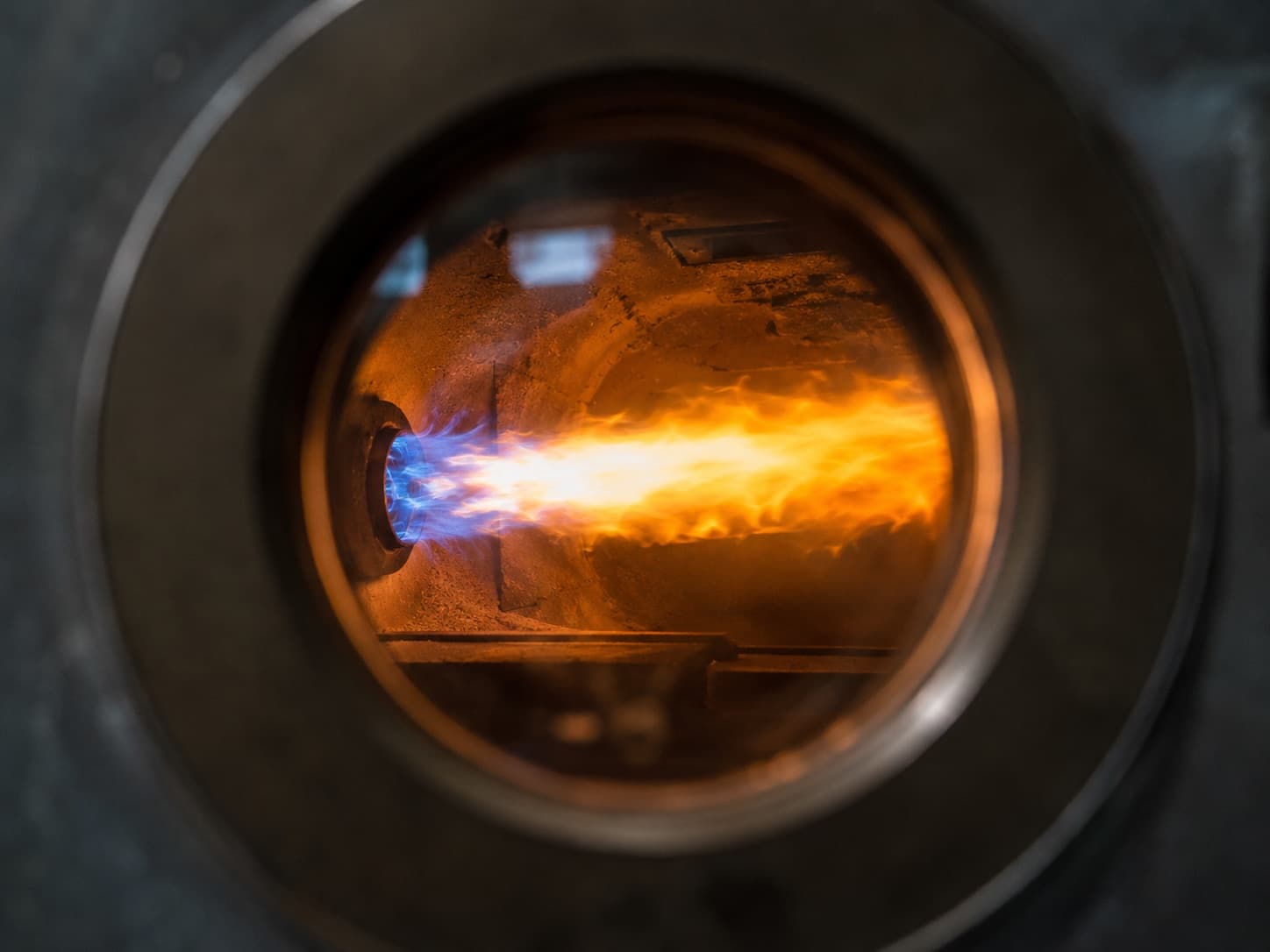
EN 676 covers automatic forced draught burners running on gas (natural gas, LPG); EN 267 covers automatic forced draught burners running on liquid fuels such as gas oil and heavy fuel oil. Both are European harmonised standards (adopted in Türkiye as TS EN 676 and TS EN 267) that define which tests a burner must pass and which safety functions it must have to be considered safe.
What is EN 676?
EN 676 applies to automatic forced draught burners running on gaseous fuels (natural gas, LPG). Its main coverage includes:
- Ignition sequence and safety times (pre-purge, ignition, flame proving)
- Gas pressure supervision and safety valve requirements
- Flame supervision system (ionisation or UV) performance requirements
- NOx emission classes (Class 1, 2, 3)
What is EN 267?
EN 267 applies to automatic forced draught burners running on liquid fuels (gas oil, heavy fuel oil). Its underlying logic matches EN 676, but it also covers elements specific to liquid fuel:
- Fuel pump and nozzle pressure requirements
- Photocell/UV cell performance criteria for flame supervision
- Limit values relating to smoke number (Bacharach)
- NOx emission classes (Class 1, 2, 3)
What do these standards actually guarantee? The safety chain
Both standards require the safe supervision of the steps described in our burner ignition sequence guide:
- Pre-condition checks — air pressure switch at rest, no extraneous flame signal
- Pre-purge — flushing the combustion chamber and flue passes with fresh air, at least three times their combined volume
- Safety time — the flame must establish within a set window (typically 2–3 seconds on gas), or fuel is cut automatically
- Continuous flame supervision — rapid fuel cut-off (typically under one second) on flame loss during operation
- Lockout — the burner locks out on a safety violation and does not restart without a manual reset
If any link in this chain is not functioning to standard, the burner cannot be considered safe. Most fault codes are, in effect, one of these supervisory checks being triggered — see our fault code guide for the detail.
Emission classes
| Class | EN 676 (gas, NOx) | EN 267 (liquid fuel, NOx) |
|---|---|---|
| Class 1 | ≤ 170 mg/kWh | ≤ 250 mg/kWh |
| Class 2 | ≤ 120 mg/kWh | ≤ 185 mg/kWh |
| Class 3 | ≤ 80 mg/kWh | ≤ 120 mg/kWh |
The higher the class number, the lower the permitted NOx emission. Which class is required depends on the legislation applying to the site — see our emission limits guide.
How is compliance verified?
- CE marking: shows the burner complies with the relevant European directives (Gas Appliances Regulation, Machinery Directive, etc.)
- Manufacturer's declaration of conformity: states which standard (EN 676 / EN 267) and which emission class the burner complies with
- Technical nameplate: the burner's data plate carries the model, capacity range and emission class
When buying a burner or carrying out a gas conversion, these documents are also a requirement of the conversion process.
Why these standards matter when choosing a burner
A burner simply "working" does not mean it complies with the standard. On a non-compliant or undocumented burner, it's unclear whether the safety chain has actually been fully tested — which carries both a safety risk and the risk of missing documentation at a future inspection.
Frequently Asked Questions
Which burners does EN 676 cover?
Automatic forced draught burners running on gaseous fuels such as natural gas and LPG.
Which burners does EN 267 cover?
Automatic forced draught burners running on liquid fuels such as gas oil and heavy fuel oil.
How can you tell if a burner complies with the standard?
Check the CE marking and technical nameplate on the burner, and the manufacturer's declaration of conformity, which states which standard and emission class it complies with.
What does the emission class indicate?
Permitted NOx emission decreases from Class 1 to Class 3. Class 3 represents the lowest NOx emission and is generally preferred at sites subject to stricter environmental legislation. ---
About Beray Enerji
Beray Enerji is an Istanbul-based burner service company operating across Türkiye, with primary coverage in the Marmara, Thrace and Aegean regions. We provide EN 676 and EN 267 conformity checks, commissioning and safety chain testing across all makes and models, backed by a technical team with 30 years of field experience. For questions, contact us on +90 (000) 000 00 00 or at info@berayenerji.com.
Related services: Burner maintenance · Burner repair service · Contact
References
- EN 676 — Automatic forced draught burners for gaseous fuels
- EN 267 — Automatic forced draught burners for liquid fuels
- EN 161 / EN 1854 / EN 1643 — Gas valves, pressure sensing devices and valve proving systems