
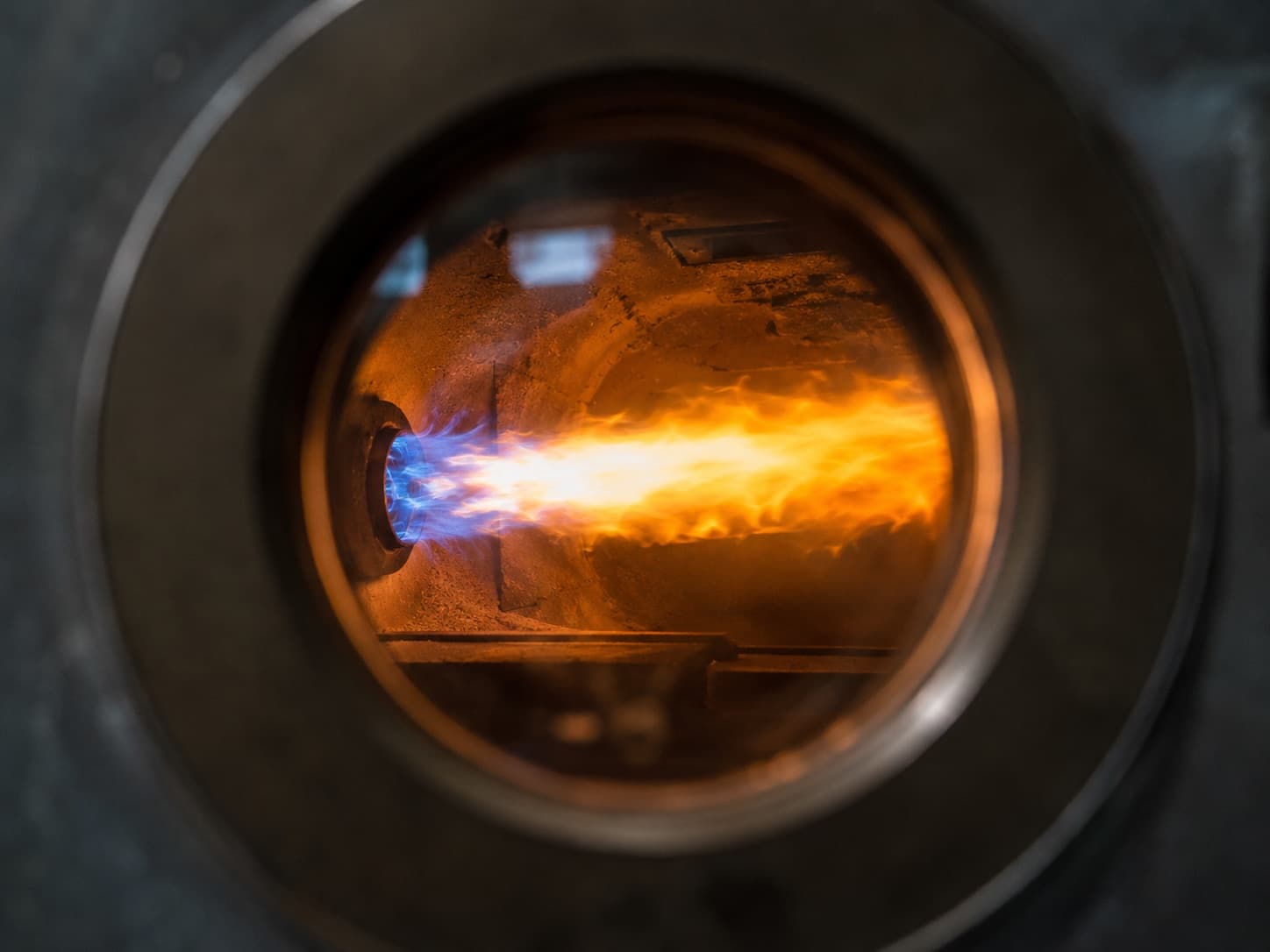
Which air pollution regulation a combustion installation falls under in Türkiye depends on its purpose (heating or production/process) and its heat output. Heating installations at or below 1000 kW (1 MW) fall under the Regulation on Control of Air Pollution from Heating; heating installations above that threshold, and every process/production combustion installation regardless of size, fall under the Regulation on Control of Industrial Air Pollution.
Which regulation applies to which installation?
| Installation type | Heat output | Regulation |
|---|---|---|
| Heating (residential, commercial, plant room) | ≤ 1000 kW (1 MW) | Regulation on Control of Air Pollution from Heating |
| Heating | > 1000 kW (1 MW) | Regulation on Control of Industrial Air Pollution |
| Process/production combustion (non-heating) | Regardless of capacity | Regulation on Control of Industrial Air Pollution |
This distinction matters because the two regulations carry different obligations. A large hotel or shopping centre's heating plant room can exceed the 1000 kW threshold — at which point the site falls under a different regulatory framework than a residential plant room.
Obligations under the heating regulation
As covered in our maintenance frequency guide, Article 17 of this regulation requires annual maintenance and flue gas measurement for installations above 30 kW on gas or 15 kW on liquid/solid fuel — which covers the large majority of residential and shared-block plant rooms.
Obligations under the industrial regulation
Obligations for businesses falling under the Regulation on Control of Industrial Air Pollution are broader:
- Environmental permit: an environmental permit is required to establish and operate a facility falling under this regulation.
- Emission measurement and the reference oxygen basis: emission limit values are calculated assuming a different reference oxygen level depending on fuel type — 3% for liquid and gaseous fuels, 6% for solid fuels, and 15% for gas turbines. This allows measurement results from different installations to be compared fairly.
- Operator responsibility: flue gas emissions must be measured by the operator in accordance with the procedures set out in the regulation.
Important note: the exact mg/Nm³ emission limit values vary by installation capacity, fuel type and the relevant annex table in the regulation. Because these are installation-specific, an environmental engineer or consultant should be involved at the design stage to confirm exact figures — this article covers the general framework, not site-specific limit values.
How the burner's emission class relates to the regulatory limit
The Class 1–3 NOx classification covered in our EN 676 and EN 267 guide reflects the emission performance declared by the burner manufacturer. But the limit a site must actually meet under the regulation is determined separately, based on the site's capacity and the applicable legislation, independent of the burner's class — choosing a low-NOx burner is a step in the right direction, but does not by itself guarantee compliance; this must be confirmed by site-level measurement.
Who is responsible for measurement and reporting?
Under both regulations, ultimate responsibility rests with the site owner or operator. Arranging the measurement, keeping records and presenting them at inspection is the operator's duty; the technical service provider carries out and reports the measurement, but the legal obligation sits with the operator.
Frequently Asked Questions
How does a plant room know which regulation it falls under?
The two determining factors are the installation's purpose (heating or process) and its heat output. Heating installations at or below 1000 kW fall under the heating regulation; heating installations above that, and all process combustion installations, fall under the industrial regulation.
Is an environmental permit required for installations under the industrial regulation?
Yes. An environmental permit is required to establish and operate a facility falling under this regulation.
Why does the reference oxygen level matter for emission measurement?
Emission limit values are calculated assuming a specific reference oxygen level (3% for liquid/gas fuel, 6% for solid fuel). This allows measurement results from installations running at different excess air levels to be compared fairly.
Does choosing a low-NOx burner guarantee regulatory compliance?
Not on its own. The burner's emission class is a step in the right direction, but the limit the site must actually meet is confirmed separately through site-level measurement. ---
About Beray Enerji
Beray Enerji is an Istanbul-based burner service company operating across Türkiye, with primary coverage in the Marmara, Thrace and Aegean regions. We provide combustion setting, flue gas analysis and scheduled maintenance across all makes and models, backed by a technical team with 30 years of field experience. For guidance on your site's emission compliance, contact us on +90 (000) 000 00 00 or at info@berayenerji.com.
Related services: Burner maintenance · Burner repair service · Contact
References
- Regulation on Control of Air Pollution from Heating (Türkiye), Article 17
- Regulation on Control of Industrial Air Pollution (Türkiye)
- EN 676 — Automatic forced draught burners for gaseous fuels
- EN 267 — Automatic forced draught burners for liquid fuels