
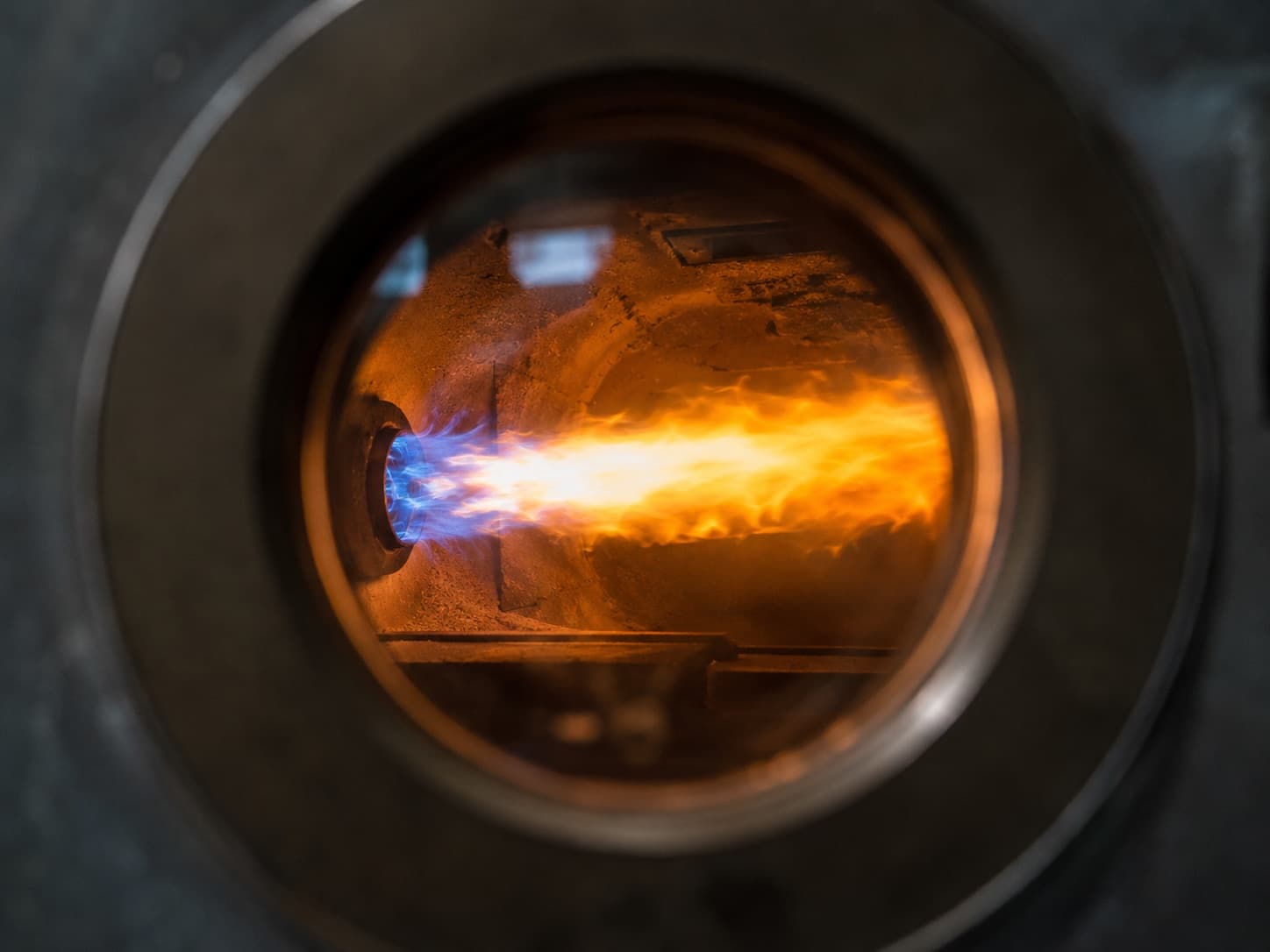
Heavy fuel oil is too viscous at room temperature to atomise; for the burner to spray it into the combustion chamber as fine droplets, the fuel must be heated to reduce its viscosity. This is the fundamental difference between heavy fuel oil burners and gas or light oil burners, and a significant part of maintenance focuses directly on this preheating system.
Why does heavy fuel oil need preheating?
Heavy fuel oil is a dense fuel derived from crude oil distillation residues, and its viscosity at room temperature is far too high for the nozzle to produce a fine spray. Left unheated, the fuel enters the combustion chamber as a thick stream rather than breaking into droplets, and complete combustion doesn't occur. Heating lowers viscosity enough for the fuel to atomise properly.
The two-stage heating approach
Heavy fuel oil systems are typically heated in two stages:
- Storage/pumping temperature (roughly 40–60°C): low-level heating sufficient to keep the fuel flowing and pumpable in the tank.
- Atomisation temperature (roughly 90–130°C, depending on the fuel grade): a second, higher stage of heating carried out immediately before the burner; at this temperature viscosity drops to the level where the nozzle can produce a fine, even spray.
Exact temperatures depend on the viscosity grade of the fuel in use (for example, grades such as RMG 380 defined at a 50°C reference under ISO 8217) and the burner manufacturer's specification; the values stated in the manufacturer's technical documentation should be followed.
What goes wrong at the wrong temperature
| Condition | Result |
|---|---|
| Temperature too low | Viscosity doesn't drop enough, the nozzle produces coarse droplets, sooting and high CO result |
| Temperature too high | The fuel can crack/carbonise, blocking the nozzle and raising maintenance need |
| Temperature unstable/fluctuating | The fuel–air ratio keeps shifting, causing flame instability and sooting |
For this reason, correct calibration of the preheater's thermostat and temperature sensor is as critical as the combustion setting itself.
Maintenance requirements specific to heavy fuel oil burners
In addition to our standard maintenance checklist, heavy fuel oil systems need the following checked specifically:
- Heating element and thermostat: confirming the preheater is working correctly and holding target temperature
- Temperature sensor calibration: a sensor reading incorrectly can cause the system to run at the wrong temperature
- Tank and pipework insulation: inadequate insulation causes heat loss and wasted energy
- Nozzle condition and replacement frequency: heavy fuel oil's dense composition can cause faster nozzle wear than gas oil
- Filter checks: filter blockage is more common with a denser fuel
A safety note
Heavy fuel oil systems include components running at 90°C and above. That means both a burn risk and heat loss from inadequate insulation. The integrity of insulation around the heater and hot pipework should be a standard part of scheduled maintenance.
Safety notice: work on the preheating system, electrical panel and fuel line must be carried out by trained and authorised technical personnel only.
Frequently Asked Questions
Why can't heavy fuel oil be used without heating?
Its viscosity at room temperature is far too high for the nozzle to produce a fine spray, and complete combustion doesn't occur without heating. Heating lowers viscosity enough for proper atomisation.
What temperature should heavy fuel oil be heated to?
The exact figure depends on the fuel's viscosity grade and the burner manufacturer's specification; generally a lower temperature (roughly 40–60°C) is used for pumping, and a higher temperature (roughly 90–130°C) for atomisation.
What happens if heavy fuel oil is heated too much?
Overheating can cause the fuel to crack and carbonise, blocking the nozzle — which means increased maintenance need and fault risk.
Why does the nozzle need replacing more often on heavy fuel oil burners?
Heavy fuel oil's dense, more contaminating composition wears or blocks the nozzle faster than gas oil does, which is why nozzle condition is a priority item in scheduled maintenance. ---
About Beray Enerji
Beray Enerji is an Istanbul-based burner service company operating across Türkiye, with primary coverage in the Marmara, Thrace and Aegean regions. We provide preheating system checks, combustion setting, nozzle/filter maintenance and fault response across all fuel types including heavy fuel oil, backed by a technical team with 30 years of field experience. For your heavy fuel oil site, contact us on +90 (000) 000 00 00 or at info@berayenerji.com.
Related services: Burner maintenance · Burner repair service · Contact
References
- EN 267 — Automatic forced draught burners for liquid fuels
- ISO 8217 — Marine fuel viscosity classification (general reference)
- Burner manufacturer technical documentation — preheating temperature specifications