
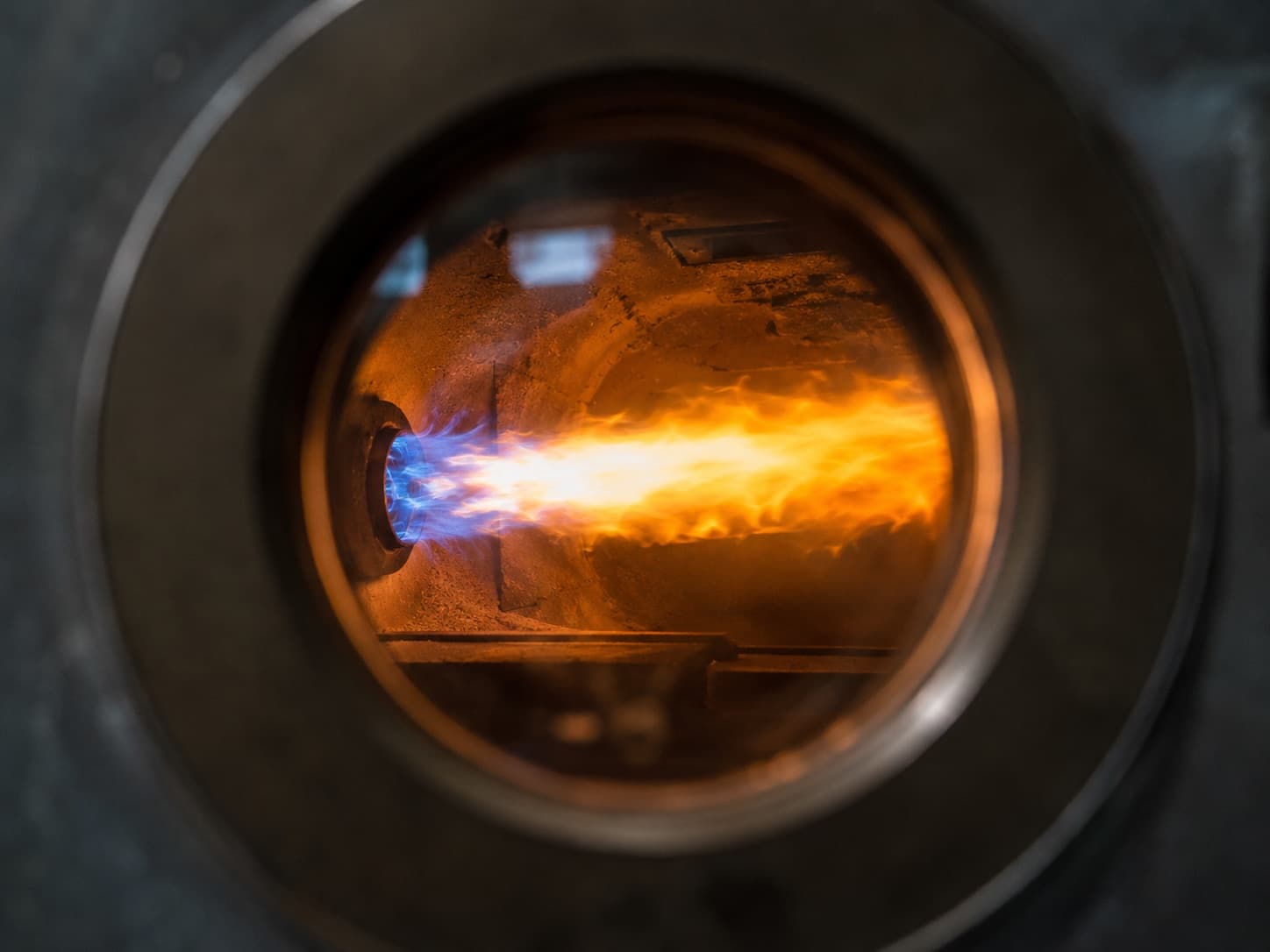
Forgetting about the burner "until winter" as soon as the heating season ends is the most common mistake — the end of season is actually the best maintenance window of the year. Our pre-winter checklist covered the final check right before the season starts; this article covers its logical opposite — the maintenance that should happen as soon as the season ends.
How does end-of-season maintenance differ from the pre-winter check?
| End-of-season (summer) maintenance | Pre-winter (autumn) check | |
|---|---|---|
| Timing | As soon as the heating season ends | Right before the season starts |
| Purpose | Comprehensive service, major parts replacement, review of the year's fault history | Final check, quick verification before first firing |
| Time pressure | Low — months lie ahead | High — the season is starting |
| Appointment/parts availability | Usually easier, service providers less busy | Peak period, appointments can be harder to get |
End-of-season maintenance is the only time of year you can review a year's accumulated fault records and make a major repair or replacement decision without rushing.
Why service the burner at the end of the season?
- No time pressure: a mid-winter fault forces a decision within hours; the same decision in summer can be made calmly, over days.
- Service providers are less busy: autumn is when every site is asking for pre-winter checks at once. Getting an appointment is usually easier in summer.
- An ideal window for major parts replacement: replacing a component with a long spare parts lead time is far less risky during a period when heating isn't needed.
Lay-up for systems that won't run for an extended period
For systems used purely for heating, which will be shut down entirely over summer:
- Liquid fuel line: fuel left idle for a long time can develop contamination or filter blockage risk — as covered in our heavy fuel oil maintenance guide, this should be checked before restarting.
- Electrical components: protection against moisture build-up (leaving them in a dry, ventilated space) is recommended.
- Water side (boiler): the boiler water's chemical balance and corrosion inhibitor level should be checked; internal corrosion risk can increase in a system left idle for a long time.
Systems that keep running for hot water only
Where the heating circuit stops but hot water production continues over summer (the case at most residential and commercial sites), the burner keeps running, but at lower load and less frequently. In this case:
- Watch for short cycling symptoms on an infrequently running burner
- Make sure hot water temperature isn't dropping, from a Legionella risk standpoint — particularly at hotels and hospitals
End-of-season checklist
| Check point | Why it matters |
|---|---|
| Review the year's fault history | The best time for a repair-or-replace decision |
| Thorough cleaning and flue gas analysis | Removes fouling accumulated over the season |
| Planned replacement of worn parts (electrode, nozzle, photocell) | Avoids an emergency replacement mid-winter |
| Liquid fuel line check (if not in use) | Prevents contamination/freezing risk |
| Moisture protection for electrical components | Against a long idle period |
| Review maintenance contract/quote | Advantage of early planning for next season |
Frequently Asked Questions
Is it fine to leave the burner untouched once the heating season ends?
No. The end of season is the best window to clean off fouling accumulated over the year, review fault history, and carry out major parts replacement without rushing.
Is end-of-season maintenance the same as the pre-winter check?
No. End-of-season maintenance is comprehensive and unhurried; the pre-winter check is a quick, final verification carried out right before the season starts.
What should be watched on a burner that's shut down entirely over summer?
The liquid fuel line's contamination/blockage risk, moisture protection for electrical components, and the boiler water's chemical balance should all be checked.
Is there a risk on a system that keeps running for hot water only over summer?
Yes — infrequent operation can produce short-cycling symptoms, and at hotels and hospitals, hot water temperature should be checked to make sure it isn't dropping from a Legionella risk standpoint. ---
About Beray Enerji
Beray Enerji is an Istanbul-based burner service company operating across Türkiye, with primary coverage in the Marmara, Thrace and Aegean regions, providing comprehensive end-of-season maintenance. We provide annual fault review, thorough cleaning, planned parts replacement and early planning for the next season, backed by a technical team with 30 years of field experience. To schedule your end-of-season maintenance, contact us on +90 (000) 000 00 00 or at info@berayenerji.com.
Related services: Burner maintenance · Burner repair service · Contact
References
- Regulation on Control of Air Pollution from Heating (Türkiye), Article 17
- EN 676 — Automatic forced draught burners for gaseous fuels
- EN 267 — Automatic forced draught burners for liquid fuels