
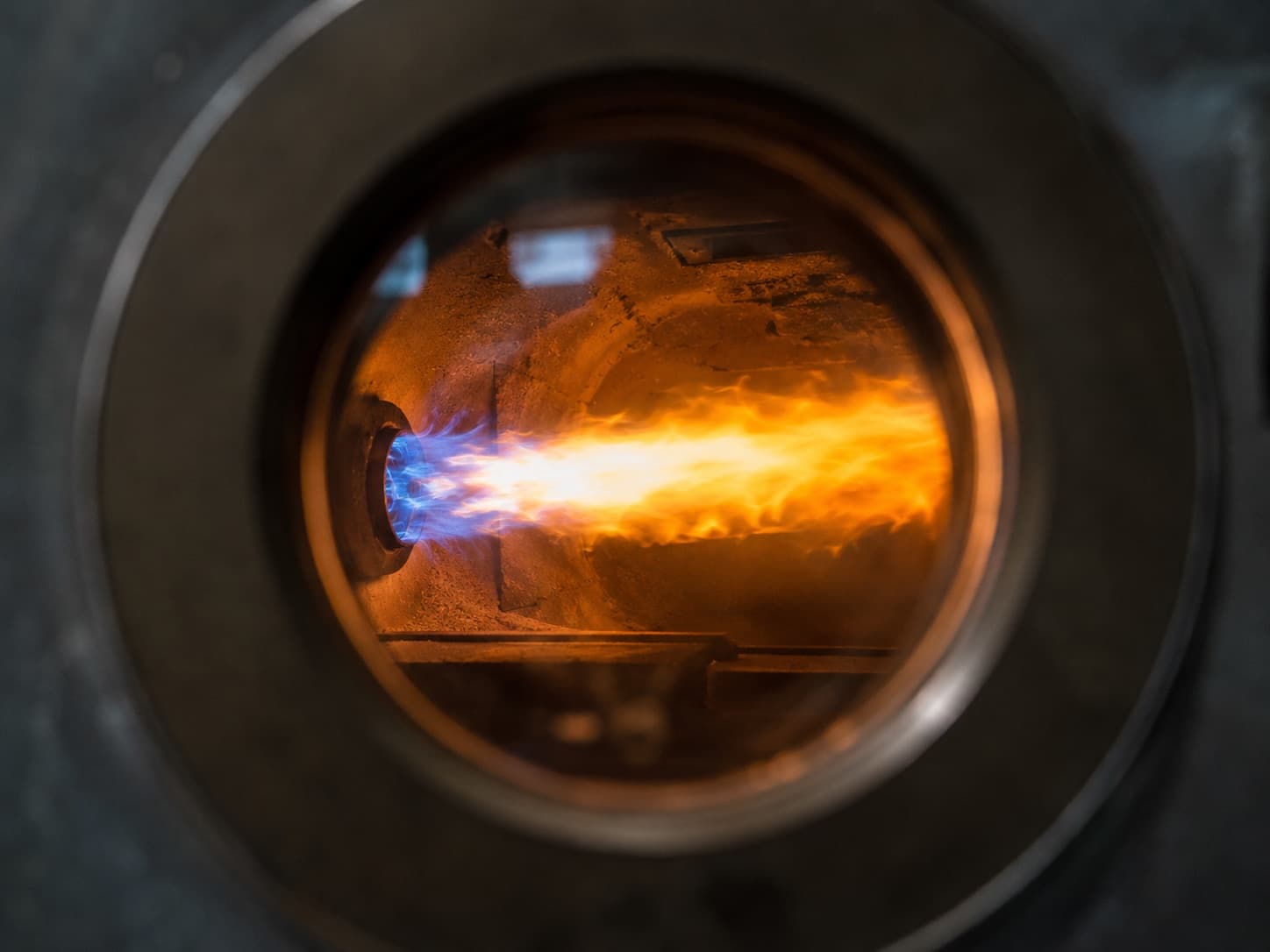
In manufacturing plants, the burner plays a different role than it does in comfort heating: heat is an input to a process, and the burner stopping usually means production stopping. That changes how maintenance is approached — timing is planned around the production schedule, feedwater quality directly affects burner efficiency, and modulation capacity becomes critical under continuous load.
How process heating differs from comfort heating
In a home or office building, heating load changes slowly with outdoor temperature. In a manufacturing plant, load is driven by the process itself — a line coming online or going offline can change demand within minutes. That difference shapes every decision, from burner selection to maintenance frequency.
Two separate inspection processes on steam boilers
As covered in our maintenance frequency guide, sites with a steam boiler run two separate, mandatory processes:
- Burner maintenance — combustion setting, electrode/nozzle check, flue gas measurement
- Periodic inspection — examination of the boiler shell and safety fittings as a pressure vessel, required annually under the Regulation on Health and Safety Conditions in the Use of Work Equipment, carried out by an authorised engineer or technician
Neither replaces the other, and they are usually scheduled together.
Feedwater quality and boiler scale
On steam boilers, feedwater quality is directly linked to burner efficiency. Hard water leads to scale build-up on heat transfer surfaces; this layer acts as insulation and reduces heat transfer. On the burner side, the result shows up as rising flue gas temperature and falling efficiency — which can look like a burner tuning issue when the actual cause sits on the water side.
For this reason, industrial steam boilers should have the feedwater treatment system (softening, deaeration) checked regularly alongside burner maintenance.
Maintenance timing: syncing with the production schedule
Unlike comfort heating, maintenance timing on process boilers depends on the production calendar:
- Planned production shutdowns are the best window for maintenance
- On continuous (24/7) production sites without spare capacity, a short planned shutdown may be needed for maintenance
- An unplanned fault costs considerably more than planned maintenance — both the repair itself and lost production time
Modulation and O₂ trim: why they matter under continuous load
As covered in our burner types guide, modulating burners continuously adjust output, reducing on/off cycling. On process sites this gives two additional benefits:
- Steadier steam pressure — pressure fluctuation can affect product quality on sensitive processes
- Automatic correction via O₂ trim — combustion air is adjusted automatically against measured flue oxygen, removing the efficiency drift caused by seasonal changes in air density
How to evaluate the cost of downtime
The general approach used when deciding on a maintenance contract or redundancy investment is to compare the cost of planned maintenance against the total cost of an unplanned fault (repair plus lost production time, plus any quality impact). The precise figures are site-specific and should be calculated from hourly production value, fault history and available spare capacity.
Frequently Asked Questions
Are burner maintenance and periodic inspection the same thing on an industrial steam boiler?
No. Burner maintenance covers the combustion setting; periodic inspection is the statutory examination of the boiler as a pressure vessel, required separately under work equipment regulations.
How does feedwater quality affect burner efficiency?
Hard water causes scale build-up on heat transfer surfaces, which reduces heat transfer and raises flue gas temperature and efficiency loss — even when the burner setting itself is correct.
When should maintenance be carried out on process plants?
Wherever possible, it should be synced with planned production shutdowns. On continuous production sites without spare capacity, a short planned shutdown may be needed.
Why is a modulating burner preferred on process sites?
It holds steam pressure more steadily and allows automatic combustion correction via O₂ trim — both of which matter for efficiency and product quality. ---
About Beray Enerji
Beray Enerji is an Istanbul-based burner service company operating across Türkiye, with primary coverage in the Marmara, Thrace and Aegean regions. For factories and manufacturing plants we provide combustion setting, flue gas analysis, production-schedule-aligned maintenance and fault response on industrial steam boilers, backed by a technical team with 30 years of field experience. For a site-specific assessment, contact us on +90 (000) 000 00 00 or at info@berayenerji.com.
Related services: Burner maintenance · Burner repair service · Contact
References
- Regulation on Health and Safety Conditions in the Use of Work Equipment (Türkiye), Annex-3, Table-1
- Regulation on Control of Air Pollution from Heating (Türkiye), Article 17
- EN 676 — Automatic forced draught burners for gaseous fuels